


Built to Last: Why Quality Materials and Parts are Non-Negotiable
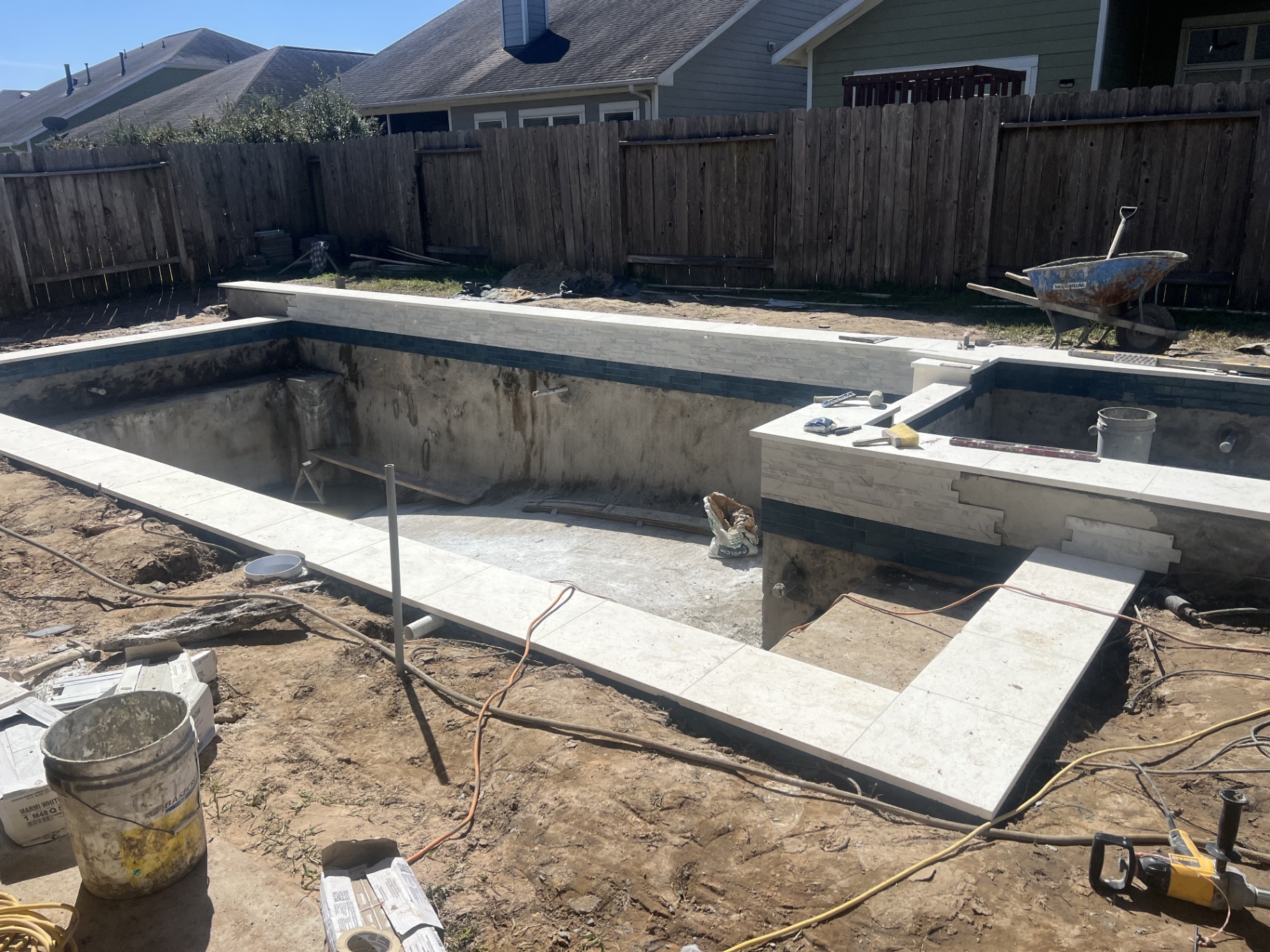
You've probably heard the saying "you get what you pay for." Nowhere is this more true than in pool construction. When you're investing in a custom pool, the difference between a backyard oasis that lasts decades and one that becomes a maintenance headache often comes down to a single factor: the quality of materials and parts used during construction.
At Timeless Pools, we've seen both ends of this spectrum. We've repaired pools that were barely five years old because corners were cut on materials. And we've maintained pools built with premium components that still look and function beautifully after twenty years. The difference isn't subtle, it's the foundation of everything we do.
The Backbone: Why Structural Materials Matter
Every pool starts with what you can't see. Before the first drop of water ever touches the shell, there's a critical phase where the foundation is literally set in place. This is where rebar, steel reinforcement, becomes the unsung hero of your pool's longevity.
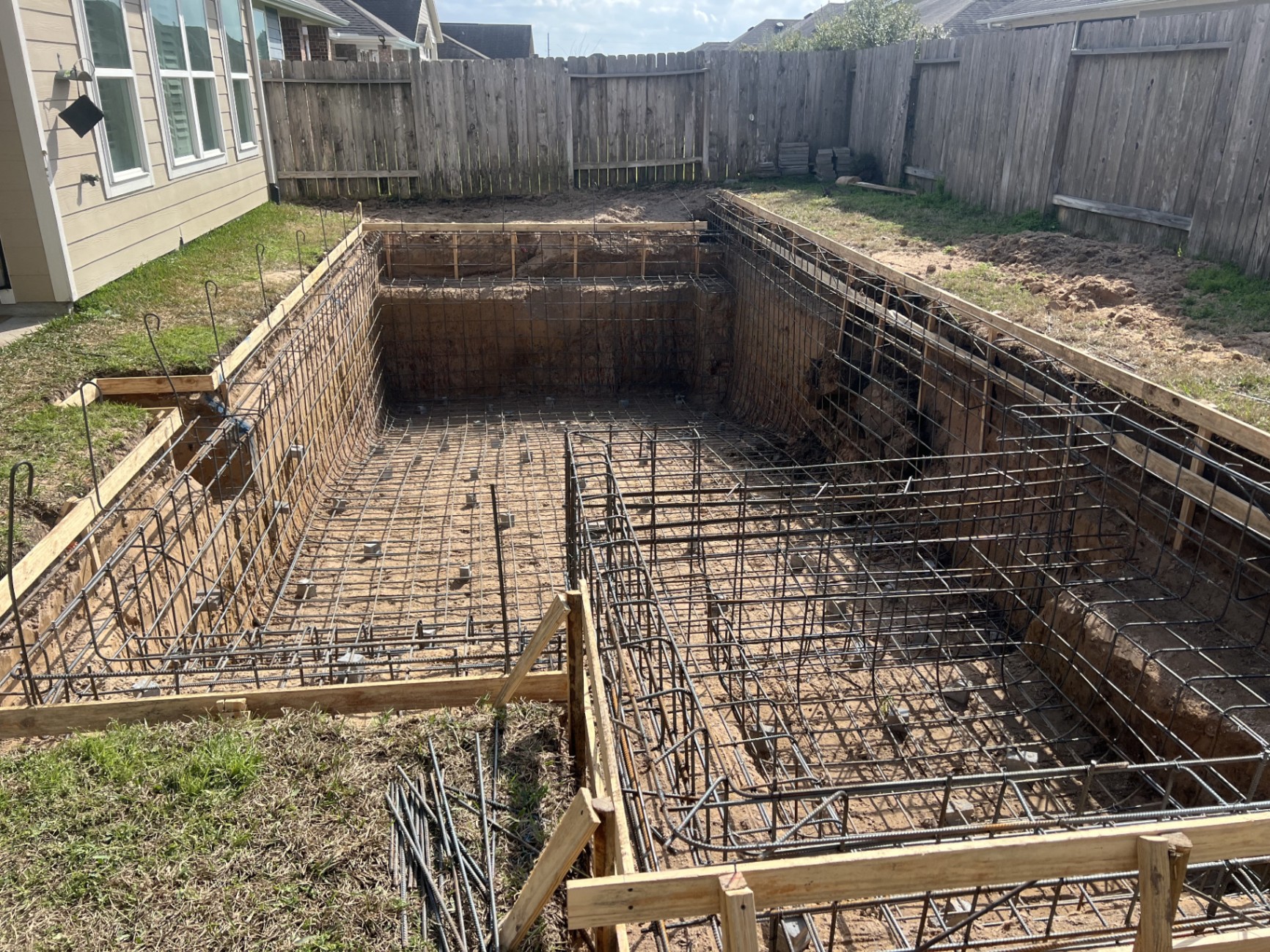
Premium rebar isn't just about meeting code requirements. It's about engineering a structure that can withstand decades of water pressure, ground movement, seasonal temperature changes, and the natural settling that occurs in Texas soil. When we spec out rebar for a project, we're thinking about how that pool will perform in year fifteen, not just year one.
The concrete mix matters just as much. High-quality concrete with the proper PSI rating and additives creates a shell that resists cracking, maintains its structural integrity through freeze-thaw cycles, and provides a solid substrate for everything that comes next. This isn't an area where you can cut costs without consequences. Inferior concrete develops problems that cascade through every other system in your pool.
The Surface Story: Finishes That Stand the Test of Time
Once the structure is solid, the next layer of quality comes in the form of what you actually see and touch. This is where many pool owners start to understand the visual difference that premium materials create.
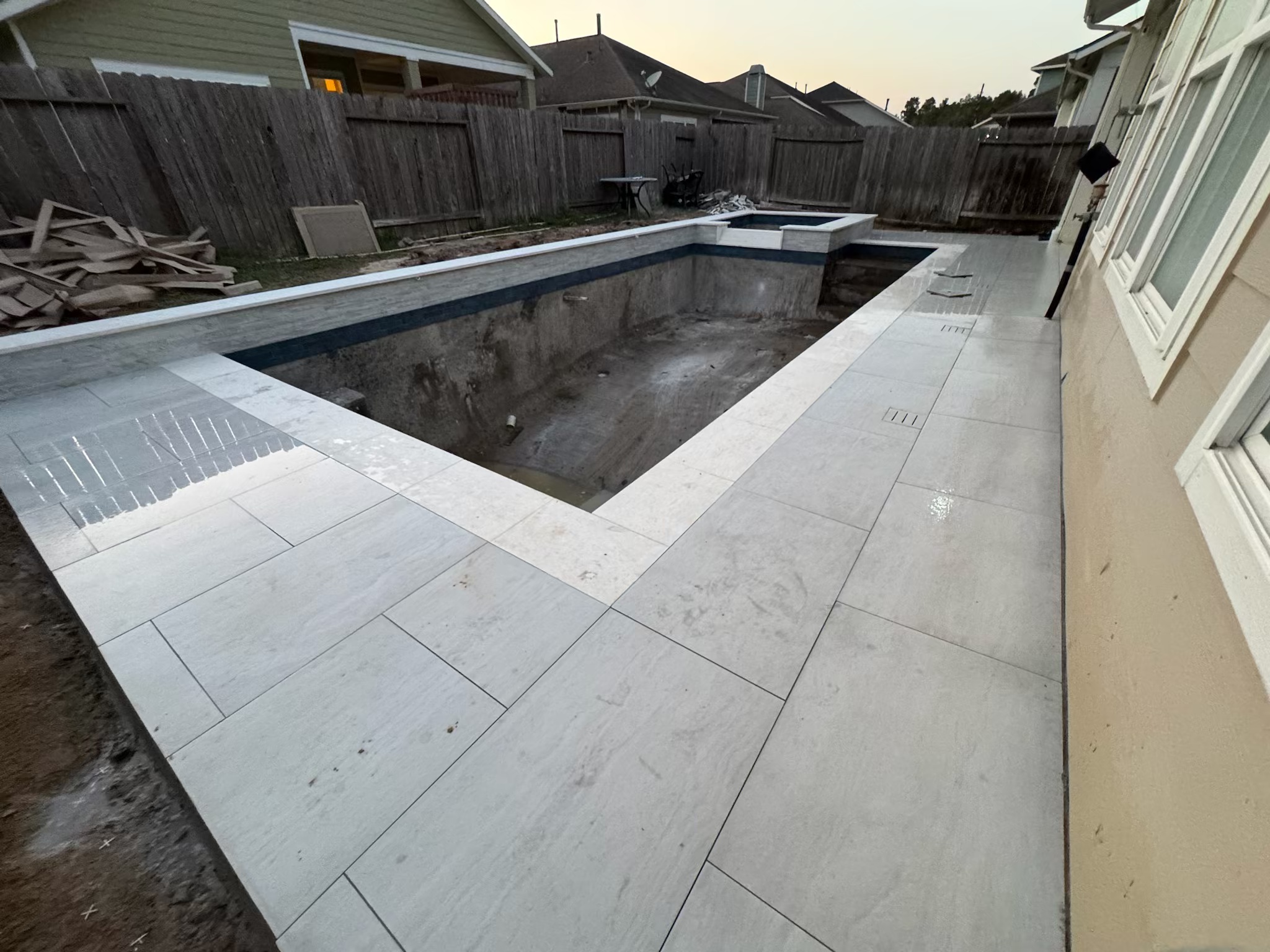
Take porcelain pavers, for example. Yes, they cost more than standard concrete pavers or basic decking options. But they offer something those alternatives can't match: durability that actually improves with age. Premium porcelain resists staining, doesn't fade in harsh Texas sun, stays cooler underfoot during summer months, and maintains its slip-resistance for years. The upfront investment pays dividends every single time someone walks across your deck.
The same principle applies to pool tiles and coping. When we install glass tile or high-end porcelain tile in a pool, we're not just making an aesthetic choice. These materials resist algae growth better than cheaper alternatives, maintain their color indefinitely, and create a waterproof barrier that protects the underlying structure. The grout systems and waterproofing membranes we use are equally important: they're what keep water where it belongs and prevent the expensive damage that happens when moisture migrates into places it shouldn't be.
The Hidden Quality: Internal Parts and Equipment
Here's where things get interesting. Most homeowners can see and appreciate beautiful tile work or elegant coping stones. But the components that actually make your pool function: the pump, filter, heater, sanitization system, and all the plumbing that connects them: often get treated as an afterthought.
This is a mistake.
The difference between a builder-grade pump and a premium variable-speed model isn't just about energy efficiency (though that matters). It's about longevity, noise levels, performance consistency, and the ability to handle your specific pool's needs without strain. A quality pump running at the right speed uses less energy, generates less heat, experiences less wear, and ultimately lasts years longer than a cheaper alternative running at full throttle all the time.
The same logic applies to every internal component. Premium PVC plumbing doesn't degrade in sunlight or become brittle after a few seasons. Quality valves don't seize up or leak after minimal use. High-grade heaters maintain efficiency and don't require constant service calls. When you add up all these individual differences, you're looking at a system that simply works better and needs attention less often.
The Real Cost of Cutting Corners
Let's talk numbers for a moment. It's tempting to look at a bid that's significantly lower than others and think you've found a great deal. But here's what often happens with pools built using substandard materials:
Within the first few years, surface finishes begin to show wear. Tiles crack or delaminate. Coping stones become loose. Deck materials fade or stain. The pool that looked good in year one starts showing its age by year three.
By year five to seven, structural issues often emerge. Cracks appear in the shell. Leaks develop that require expensive detection and repair. Equipment begins failing: pumps burn out, heaters malfunction, automation systems need replacement. The "savings" from the initial lower price have been consumed multiple times over by repair costs and headaches.
Research consistently shows that quality materials provide substantial long-term savings through reduced maintenance and repair expenses. While the upfront investment is higher, those costs are recovered through extended lifespan and lower operating expenses. Premium materials don't just last longer: they perform better throughout their entire lifecycle.
What Quality Looks Like in Practice
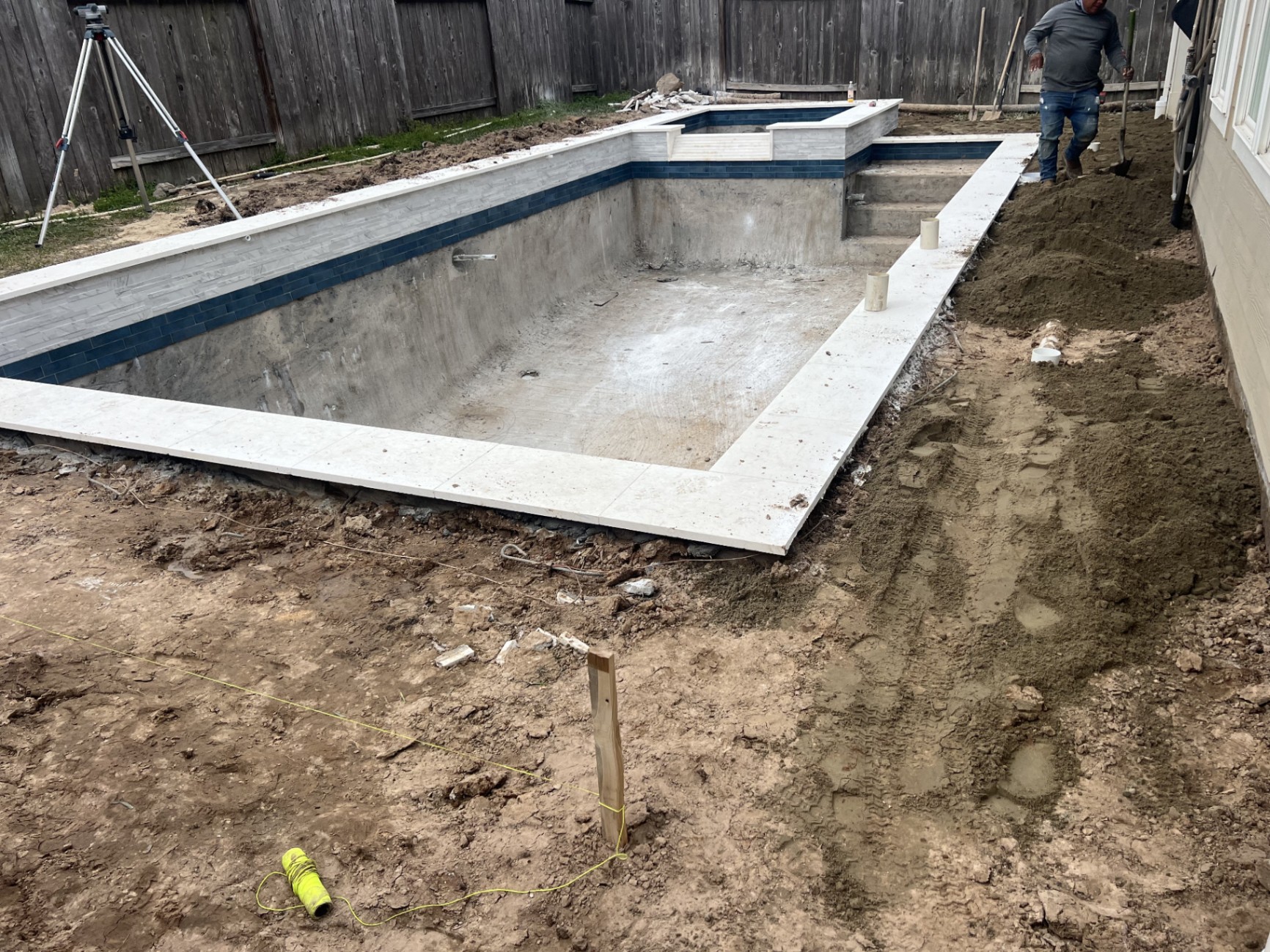
When we approach a project, material selection happens through a lens of decades, not just the construction timeline. We ask questions like: How will this perform in Houston's humidity? What happens during a week of freezing temperatures? How will this age as the homeowner's needs change?
This means specifying rebar layouts that exceed minimum requirements. It means selecting concrete mixes with proper additives for our climate. It means choosing tile and coping that won't just look good at installation but will maintain that appearance for years. And it means installing equipment that's appropriately sized and premium enough to handle daily operation without strain.
For example, when we install porcelain pavers around a pool, we're not just laying them on a bed of sand and hoping for the best. We're creating a proper substrate with drainage considerations, using premium setting materials, and ensuring joints are sealed correctly. The extra time and materials cost more upfront, but the result is a deck that remains level, doesn't shift or settle, and looks pristine years later.
The Timeless Difference
Building pools with uncompromising material standards isn't the cheapest way to construct a pool. It is, however, the smartest way. It's the approach that protects your investment, minimizes future costs, and creates outdoor spaces that genuinely improve with time rather than deteriorating.
When you choose a custom pool builder who prioritizes quality materials, you're making a decision that affects every day you own that pool. You're choosing fewer service calls, lower long-term costs, and the confidence that comes from knowing your backyard oasis is built on a foundation, literally and figuratively: of excellence.
We named our company Timeless Pools for a reason. True luxury isn't about the most expensive finishes or the flashiest features. It's about thoughtful construction using materials that stand the test of time. It's about building something that performs as beautifully in year twenty as it did on opening day.
That's not negotiable. That's simply how pools should be built.

Comments